
23/09/2026
As smart glasses become more affordable and widely available, organisations are increasingly being required to consider whether staff, contractors, clients or visitors should be permitted to use them on organisational premises. This article reviews recent developments relating to smart glasses and highlights key considerations when updating organisational workplace policies.
What Are Smart Glasses?
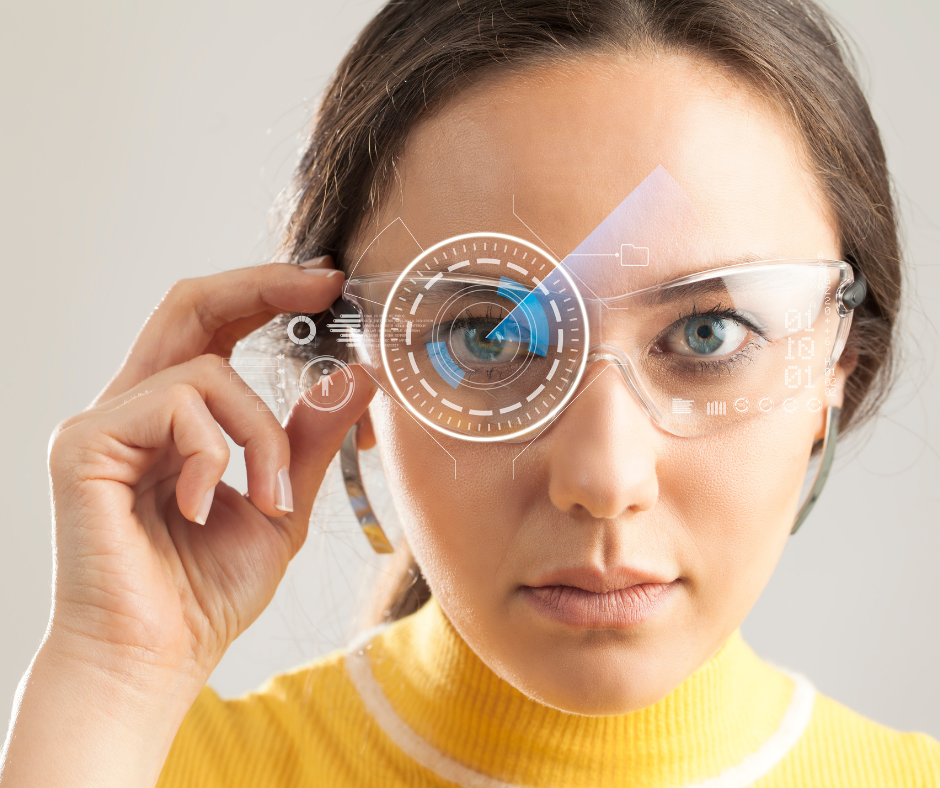
Smart glasses are wearable devices that look similar to ordinary glasses but include technology such as cameras, microphones, speakers, artificial intelligence (AI), internet connectivity, and augmented reality displays. Some models can take photos, record video, make phone calls, translate speech, or provide real-time information to the wearer. Examples include Ray-Ban Meta Smart Glasses, Amazon Echo Frames and Xreal AR glasses. Smart glasses are known for their ability to discreetly capture videos.
Why should organisations be concerned?
Privacy, security and cyber security concerns associated with smart glasses have prompted governments, courts and local councils in Australia and overseas to consider restrictions on their use.
In September 2026, the Australian Government announced that it was considering restrictions on camera-equipped smart glasses in Commonwealth workplaces due to privacy and security concerns. While Australian courts have not yet issued nationally consistent rules on smart glasses, courts in England and Wales have prohibited Meta smart glasses because of concerns about covert recording and the integrity of court proceedings.
Several Australian councils have already introduced restrictions on smart glasses in community facilities. In August 2026, Brisbane City Council banned the non-consensual use of camera-enabled devices, including smart glasses, at its public pools. Shortly afterwards, the City of Yarra in Melbourne banned smart glasses from council-operated pools, gyms, playgrounds and childcare centres, citing concerns about covert recording and vulnerable community members. The City of Sydney, City of Canterbury-Bankstown and the Blacktown city councils have prohibited patrons from using smart glasses to record at public pools.
Privacy and Legal Risks
Organisations should also be aware that Australia’s statutory tort for serious invasions of privacy commenced on 10 June 2025. The new cause of action can apply to both individuals and organisations where a person intentionally or recklessly invades another person’s privacy in circumstances where they had a reasonable expectation of privacy. Covert recording or misuse of personal information through smart glasses could potentially give rise to legal claims, depending on the circumstances.
Organisations should also consider the cyber security risks associated with smart glasses themselves. In September 2026, an ABC News investigation reported that certain low-cost AI-enabled smart glasses sold in Australia contained significant security vulnerabilities, including the ability for nearby attackers to gain access to the device and stored images using Bluetooth without a password. Independent testing identified weaknesses that could allow unauthorised access to user data. These findings demonstrate that smart glasses may create risks not only through the actions of users, but also through vulnerabilities within the devices themselves, potentially exposing organisational information to unauthorised access.
For organisations that handle sensitive information or work with vulnerable individuals, the consequences of an unmanaged privacy breach can be significant even where no formal legal action is ultimately taken. For organisations subject to the Privacy Act 1988 (Cth), a smart glasses incident involving unauthorised access to, disclosure of, or loss of personal information may also trigger obligations under the Notifiable Data Breaches scheme and mandatory reporting obligations where an eligible data breach has occurred.
Accessibility and Disability Considerations
When developing policies on smart glasses, organisations should also consider accessibility and inclusion obligations. While many smart glasses include cameras and recording functions, some devices are used as assistive technology by people with disability. For example, certain smart glasses can provide real-time captions for people who are deaf or hard of hearing, navigation assistance for people with low vision, object recognition, text-to-speech functionality, and other accessibility features that support independence and workplace participation. This may create privacy and security considerations that would not ordinarily arise with conventional assistive devices.
Organisations should avoid adopting blanket prohibitions without considering whether a particular device is being used as a reasonable workplace adjustment or assistive technology. Where smart glasses are required to support a user with disability, organisations may wish to undertake a privacy and risk assessment to balance accessibility needs against privacy, confidentiality and security risks.
What should organisations do?
Organisations should review existing workplace policies, including privacy, security and surveillance policies, to determine whether smart glasses are adequately addressed and consider the following:
- determine whether smart glasses will be permitted, restricted or prohibited in all or part of their premises and establish clear rules for employees, volunteers, contractors and visitors;
- identify high-risk areas where recording should not occur, such as meeting rooms, counselling spaces, healthcare settings, change rooms or client interview rooms;
- conduct privacy and security assessments before permitting smart glasses where there is a genuine operational, accessibility or business need for their use;
- identify high-risk information handled by the organisation, such as personal and health information, financial information, confidential client information or intellectual property;
- implement notification and consent requirements where recording may occur; and
- provide training and awareness on privacy and confidentiality obligations.
As smart glasses become more common, organisations should consider their risk appetite and find an appropriate balance between operational efficiency and the privacy and security risks. A well-drafted policy should also distinguish between smart glasses used primarily as consumer recording devices and those used as assistive technology, while ensuring any restrictions are applied consistently. Regular policy review will be required as wearable technology and legal requirements continue to evolve.
Reference:
Ultra-cheap smart glasses leaving Australians’ personal data exposed to hackers – ABC News
Canterbury-Bankstown Council to ban smart glasses from leisure centres – ABC News